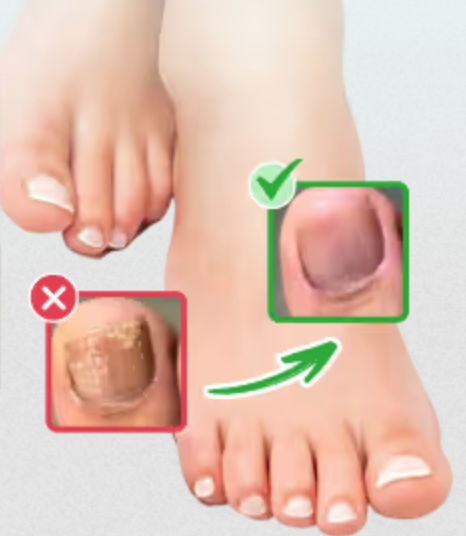
Eliminate Nail Fungus Naturally
and Restore Healthy Nails
- Improved Nail Appearance
- Convenience and Ease of Use
- Natural/Plant-Based Formulation
- Portable and Discreet
- Improve appearance of nails over time.
- Offer a convenient and clean method of topical application.
- Support healthier nail growth if used consistently.
- Provide an option for people seeking natural or non-prescription care.

What Is the Orivelle Fungus Pen Removal?
The Orivelle Fungus Pen is marketed as a topical antifungal solution in a convenient pen-style applicator. The idea behind this product is to move away from bulky creams or messy ointments and instead deliver an antifungal formula directly to the affected nail and surrounding skin using a brush tip.
According to promotional descriptions and multiple online reviews, the pen contains a blend of plant-based and naturally derived ingredients — such as tea tree oil, peppermint, jojoba, rosehip, and vitamin C — that are claimed to possess antifungal, nourishing, and nail-strengthening properties. The formula is designed to be applied twice daily to the afflicted nails to help reduce discoloration and brittleness while supporting healthier nail appearance over time.
The compact pen format is one of its key selling points: it’s lightweight, portable, and simple to integrate into daily routines. Just twist the base or click a button to release a small amount of liquid onto the brush, then apply it directly to the nail surface and the surrounding skin.
How the Orivelle Fungus Pen Removal Is Claimed to Work
Nail fungus often resides under the nail plate and around the nail bed, making it difficult for many creams or topical treatments to penetrate deep enough to reach the source of the infection. Traditional topical creams often stay on the surface, leaving the underlying fungal presence largely untouched, while oral antifungals can have systemic side effects.
The Orivelle Fungus Pen aims to bridge this gap by using a precision brush applicator that lets users paint the formula directly onto the nail surface, cuticle, and adjacent skin, potentially allowing the active ingredients to reach deeper areas where fungus persists.
The product’s proponents claim a two-fold action:
- Antifungal Action: Certain natural oils — especially tea tree oil — have documented antifungal or antimicrobial effects in laboratory settings, which may contribute to reducing fungal growth.
- Nail Nourishment and Repair: Ingredients like vitamin C and plant oils are marketed to support nail health, reduce brittleness and discoloration, and create a healthier environment for new nail growth.
It’s important to underline that while many natural ingredients have some evidence of antifungal activity in vitro (in lab settings), that does not always equate to clear clinical outcomes in real human infections. Penetration into the nail bed remains a significant challenge for most topical agents, natural or synthetic.
Typical Use Instructions
Users typically apply the Orivelle Fungus Pen as follows:
- Wash and thoroughly dry the affected nails before application. Moisture can promote fungal growth, so keeping feet and hands dry is essential.
- Twist the pen’s base to release a small amount of the antifungal liquid onto the brush tip.
- Brush directly onto the nail surface, cuticle, and surrounding skin, making sure to coat all areas where fungus is suspected.
- Allow the solution to dry naturally. No rinsing is needed.
- Repeat twice daily (morning and evening) for optimal results.
Consistency is emphasized as a crucial factor. Fungal infections don’t disappear overnight, and visible improvement often takes weeks to months of regular application.
Potential Benefits Reported by Users
Different review sites, user comments, and promotional materials point to several potential benefits users may experience with a product like Orivelle:
1. Improved Nail Appearance
Many users report gradual reduction in discoloration and thickening of nails over time when applied consistently. This may translate to clearer and smoother nails as new, healthier nail growth replaces infected tissue.
2. Convenience and Ease of Use
The brush applicator offers a cleaner, more precise way to apply treatment than traditional creams and ointments, which can be messy and hard to apply directly beneath the nail.
3. Natural/Plant-Based Formulation
For people concerned about harsh chemicals or side effects, the plant-based ingredient list may be appealing. Many natural components like tea tree oil are noted for antimicrobial properties.
4. Portable and Discreet
The slim pen design makes it easy to carry while traveling or for use outside the home, without the bulky packaging of creams or lotions.
Critical Perspectives and Controversies
While Orivelle has attracted enthusiastic reviews online, there are also important criticisms and cautionary points you should consider.
1. Lack of Independent Clinical Evidence
Despite marketing claims, there is no robust clinical trial data published in peer-reviewed medical journals confirming the product’s efficacy. Most promotional information comes from third-party review sites or sponsored content rather than independent scientific research.
2. Treatment Speed and Effectiveness
Even under ideal conditions, topical or natural treatments generally work slowly because nails grow gradually. Many users report seeing only subtle changes within the first few weeks, and full resolution — if it occurs — may take several months. Some severe or long-standing fungal infections do not respond well to topical treatments alone.
Medical Perspective on Nail Fungus Treatment
Nail fungus — medically called onychomycosis — is a common condition caused by fungi such as dermatophytes, yeasts, or molds. It can present as yellow, thickened, crumbly nails and may become painful if untreated.
The gold standards in medical treatment include:
- Prescription oral antifungals like terbinafine and itraconazole — these often have higher cure rates but involve possible systemic side effects and require doctor supervision.
- Prescription topical treatments like ciclopirox lacquer — these may help milder cases but can be less effective when the fungus is deeply embedded.
- Laser and physical treatments in clinical settings — some practices use light or laser therapy to reduce fungal load.
Natural remedies and over-the-counter products like Orivelle may offer benefit for surface improvement and maintenance in mild cases, but they are not universally accepted as replacements for medical therapies, particularly in moderate to severe infections. Always consult a dermatologist or podiatrist for persistent or painful conditions.
Realistic Expectations: What Orivelle Can and Can’t Do
To frame expectations correctly, here’s a balanced view:
What It May Do:
- Improve appearance of nails over time.
- Offer a convenient and clean method of topical application.
- Support healthier nail growth if used consistently.
- Provide an option for people seeking natural or non-prescription care.
What It May Not Do:
- Provide a guaranteed cure for all fungal infections.
- Deliver rapid results overnight.
- Replace medically prescribed antifungals for severe infections.
- Always penetrate deeply enough to completely eradicate fungus in every case.
Alternatives and Complementary Strategies
If you choose to try topical options like Orivelle or similar products, consider these complementary steps that may help improve outcomes:
- Keep feet dry and clean — moisture encourages fungal growth.
- Change socks regularly and use breathable footwear.
- Use antifungal powders or sprays in shoes.
- Trim and file nails carefully to reduce thickness and allow better topical penetration.
- Consult a healthcare professional for persistent or spreading infections.
Summary
The Orivelle Fungus Pen represents an innovative and user-friendly approach to topical nail fungus care, with its brush applicator and plant-based formula attracting many users seeking a gentle solution. While numerous reviews and user experiences highlight improvements in nail appearance and convenience, there remains a lack of independent clinical evidence firmly establishing its effectiveness.
For mild cases and cosmetic improvement, it may be worth consistent use as part of a broader foot-care routine. However, for deep, painful, or long-lasting infections, professional medical treatment should always be considered. Consult a dermatologist or podiatrist to determine the best strategy for you.